Neuromuscular Dentistry
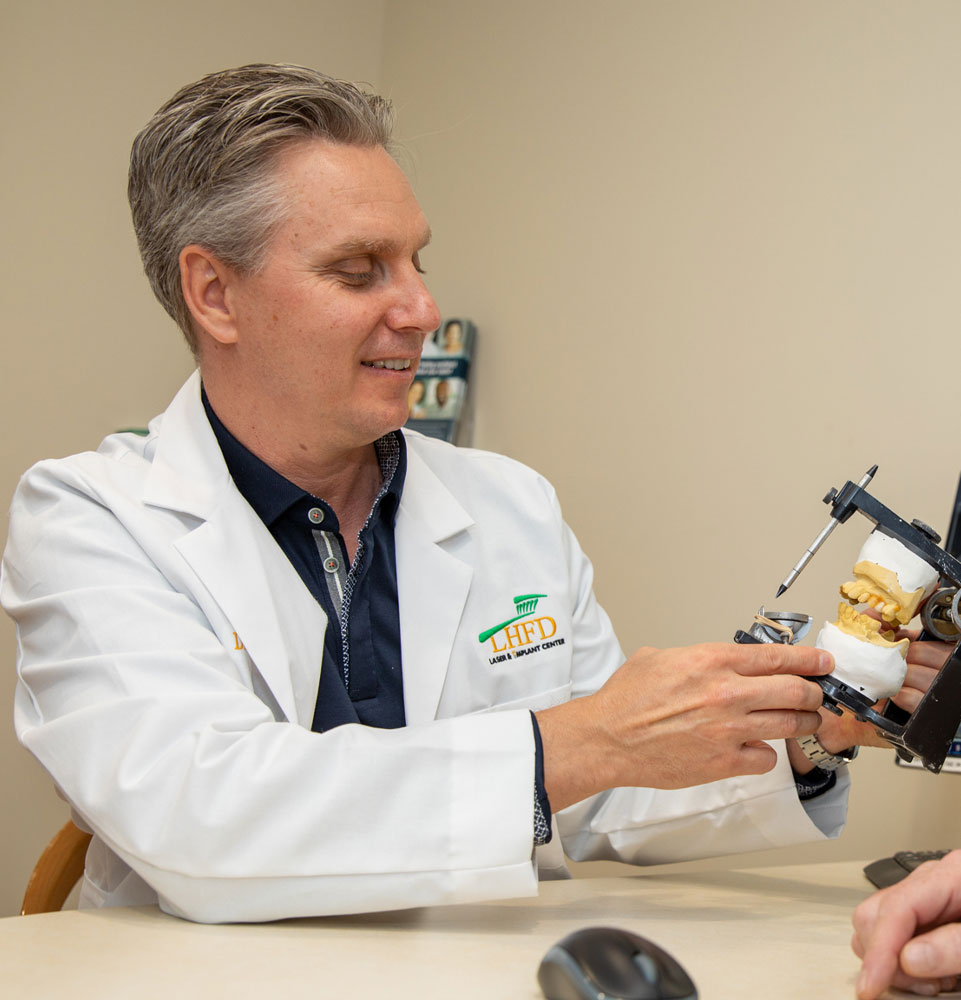
Neuromuscular Dentistry is the science of dentistry that embodies accepted scientific principles of patho-physiology, anatomy, form and function. NMD objectively evaluates the complex relationship between teeth, temporomandibular joints and the masticatory muscles in order to achieve an occlusion that is based on the optimal relationship between the mandible and the skull – Neuromuscular Occlusion.
The goal of the Neuromuscular Dentist is to relax the muscles controlling jaw position to establish a true physiological rest position upon which treatment considerations are based.
In summary, NMD is the science of occlusion encompassing not only the teeth, but the objective evaluation of the status and function of the jaw muscles and joints — before, during and after treatment — to achieve the optimal result.
Why Neuromuscular Occlusion Matters
The concept of Neuromuscular Occlusion is central to NMD. It represents an optimal bite where the mandible (lower jaw) and the skull are in perfect alignment. Achieving this state is crucial as it allows the muscles controlling the jaw to relax, establishing a true physiological rest position. This is not just beneficial for the patient but also provides a stable foundation upon which dentists can base their treatment considerations.
Understanding the role of jaw muscles and joints is pivotal in Neuromuscular Dentistry. By taking into account the status and function of these components, NMD allows for a more comprehensive and effective treatment plan, setting it apart from traditional dental practices.
Tackling TMD with Neuromuscular Dentistry
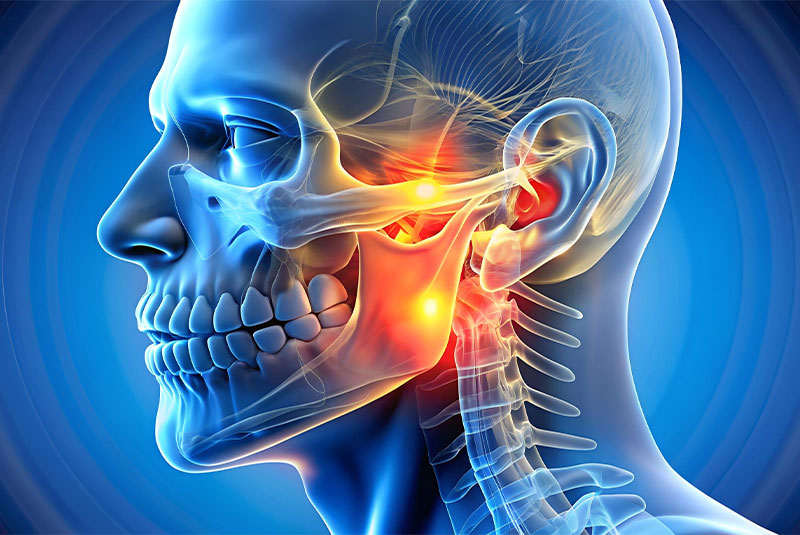
Temporomandibular Disorders (TMD) can be a complex and challenging condition to treat, often causing patients significant discomfort and affecting their quality of life. Traditional dental approaches may offer temporary relief but often fail to address the root cause. This is where Neuromuscular Dentistry shines. By focusing on the optimal alignment of the jaw, teeth, and muscles, NMD provides a comprehensive solution for TMD. It allows dentists to not only alleviate symptoms but also to treat the underlying issues by achieving a balanced occlusion.
TMJ Treatment that Works: Dr. Bola Lawal-Mooney’s TMJ APPROACH
Do you suffer from jaw pain, headaches, migraines, or even neck pain that takes over your life? You may have TMJ disorder. Dr. Lawal-Mooney TMJ PRECISION APPROACH™. It’s a life-changing treatment for those who suffer from TMJ disorder. Her TMJ treatment technique has helped many patients and it can help you too. Using her TMJ approach, she’ll find the principal cause of your TMJ disorder and treat it by working with your jaw, muscles, and nerves. Schedule a consultation with Dr. Lawal-Money to get your lifeback on track.
Home Care for TMJ Treatment
In many cases of TMJ, no treatment is necessary, other than what you can do at home. Jaw pain, headaches, and jaw joint popping and clicking are the most common first symptoms of TMJ.
First, try to relax your jaw. If you’ve been talking a lot lately, try to take a break. Change to a soft diet and avoid chewing gum, popcorn, and other treats that can put stress on your jaw joint and muscles.
Use heat to soothe tense muscles and cold to combat inflammation in the joint area.
Take over-the-counter pain relievers and NSAIDs (nonsteroidal anti-inflammatory drugs) like ibuprofen (Advil) and naproxen (Aleve) to control swelling. Remember, over-the-counter doesn’t always mean “safe”—carefully follow the instructions on the label and never take more than the recommended dose unless instructed to by your doctor. Also be aware of the potential interactions between your prescriptions and over-the-counter medications.
If your jaw symptoms don’t resolve within a week of home care, seek professional treatment
For many minor and reversible cases of TMJ, the problem is simply muscle or joint fatigue, so it’s time to give your jaw a rest. Try to reduce the amount of talking that you do, and when you do talk, use smaller jaw motions if possible.
Chewing can be a major stress on your jaw. Try moving to a soft diet for the short term. Make sure you’re still getting a good balance of nutrition, though. Don’t just eat cake and ice cream! Avoid hard-to-chew snacks like popcorn, beef jerky, and chewing gum.
Also consider activities that cause you to set your jaw, such as lifting heavy weights, and take it easy for a while.
Many people clench their jaws in response to stressful situations. If you find yourself doing this, try to find ways to relax. Institute relaxation rituals into your day. Make time for things you enjoy. Cut down on caffeine and other stimulants, as these can lead to stress.
Many people get good results with simple meditation or with mindfulness techniques. There are many ways to go about this, and if you are interested, there are classes available that can help you relax.
Massage can also help relieve muscle tension. There are many self-massage techniques that can be used to potentially release tension in your jaw muscles.
You can help relieve pain from sore muscles by applying heat. A heating pad, hot water bottle, or rice sock are all good ways to do this. If you suspect inflammation of the jaw joint, apply cold instead of heat to help control inflammation.
You can take over-the-counter (OTC) medications for relief of your jaw pain, headaches, and other discomfort. Also, taking NSAIDs (nonsteroidal anti-inflammatory drugs) like ibuprofen can help if swelling is contributing to your jaw problems.
Follow the instructions on the label or instructions from your doctor. Remember that OTC medications aren’t harmless, and be aware of any potential interactions with your prescription medications or health conditions.
But it’s important to make sure you are getting professional care when you need it. Here are some signs that it’s time to stop home care and seek professional TMJ treatment:
● Pain doesn’t respond to medications or other techniques
● Pain or other symptoms worsen during home care
● You experience serious symptoms like a locking jaw or grinding sound in the joint
● Your pain or other symptoms interfere with your daily life
● Your symptoms last despite a week of home care
● Your symptoms go away, but then return
All of the above are signs that you are among the TMJ sufferers who need professional care for your TMJ.

Neuromuscular Dentistry for TMJ Treatment
Neuromuscular dentistry is a great place to start when you feel you require professional TMJ treatment.
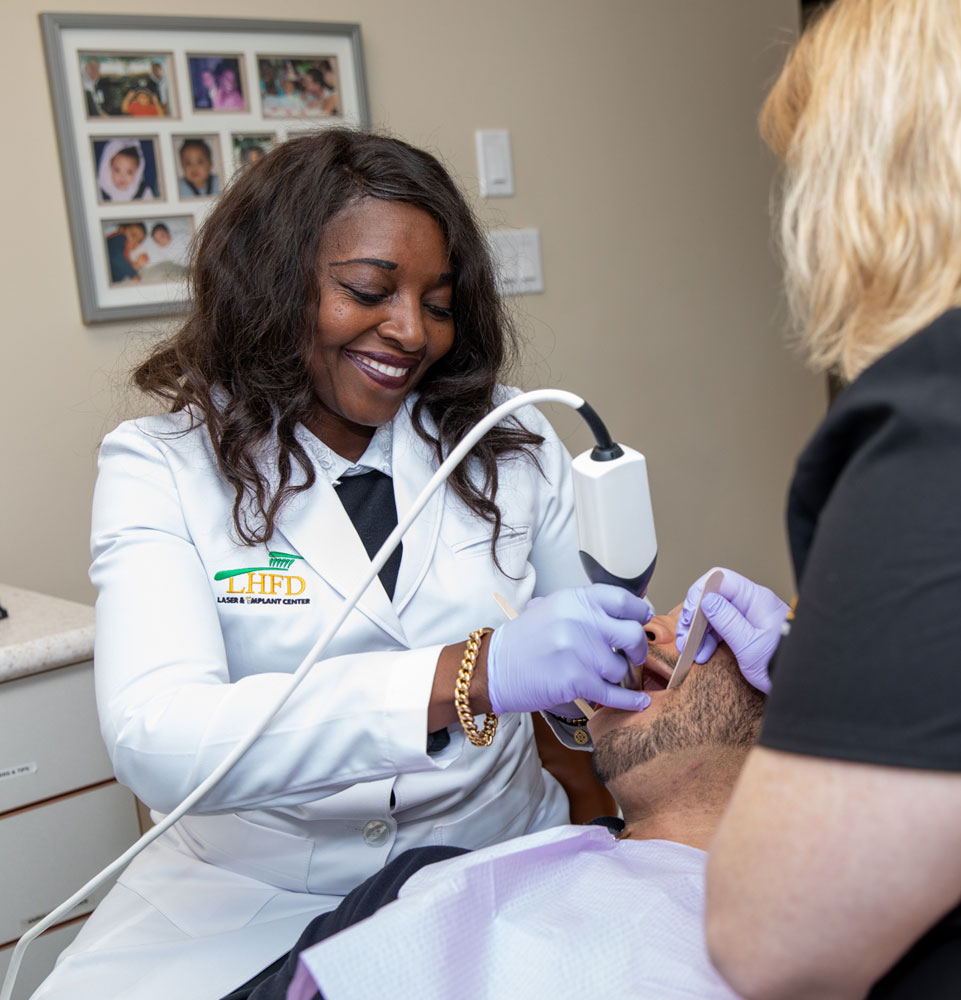
Usually, we will begin by relaxing your jaw using transcutaneous electrical nerve stimulation (TENS), a kind of electric massage. Once your jaw muscles are relaxed, you will likely experience immediate relief. In fact, for many people, periodic TENS is all that’s required for long-lasting TMJ relief.
If we determine that there are problems with your bite that require further intervention, we will recommend an oral appliance that will hold your jaw in a relaxed, functional position. This is a therapeutic appliance, and isn’t normally intended to create long-lasting or permanent changes in your bite.
You will wear this appliance for much of the day at first, and it may require a few adjustments to achieve optimal relief. After a while, you may only have to wear your appliance at night. If you like the results we’ve achieved with the appliance but not the appliance itself, we can discuss reconstructive dentistry that will repair current tooth damage and wear while making the effects of the appliance permanent.
Summus Medical Platinum Laser Therapy
Laser therapy is an amazing supporting treatment for TMJ disorders that encourages your body to heal. Precise wavelengths of light target specific mechanisms in the body’s ability to get and use oxygen. Improving the body’s use of oxygen makes it better able to heal.
Physical Therapy for TMJ
Physical therapy includes a number of manipulations that are designed to relax the muscles and loosen the jaw joints. A physical therapist may recommend exercises that you can perform at home, which can help reduce muscle tension and improve range of motion. The physical therapist may perform massages on your jaw muscles, and may move your jaw in ways that are intended to loosen up scar tissue in the joints. They may also counsel you on things like posture and bad motion habits that can impact your TMJ.
TMJ Medications
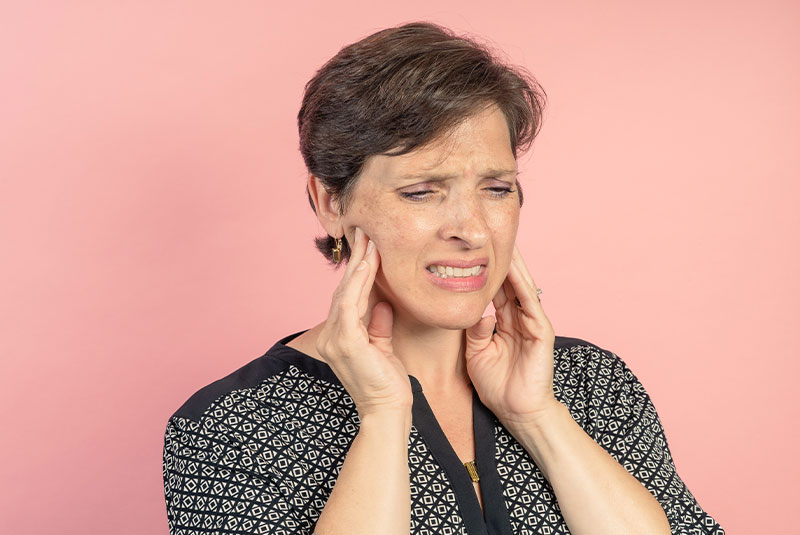
Medications used in TMJ treatment may be used to either alleviate symptoms — such as pain — or address the root cause of your TMJ. Pain medications used may include NSAIDs, opiates, or certain antidepressants. Medications that attempt to address your TMJ include muscle relaxants and sedatives. Muscle relaxants can help relieve muscle tension that contributes to jaw pain, face pain, tooth damage, and other TMJ symptoms, and may include injectable treatments which are still being evaluated as a TMJ treatment. Steroid injections may be used to attempt to resolve swelling. Sedatives are often used to address night bruxism.
TMJ Surgery
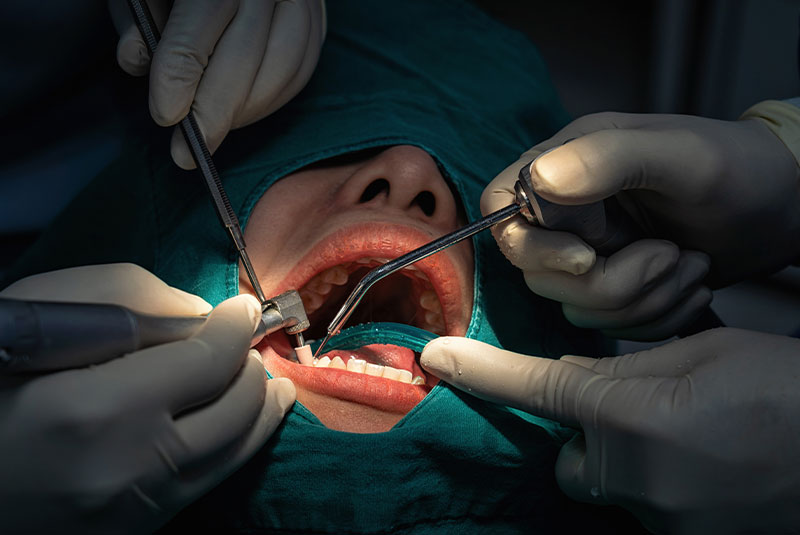
Arthrocentesis is technically a nonsurgical procedure, and it’s often used to try to head off the need for surgery. In this procedure, fluids are passed through the jaw joint to remove debris or chemicals that perpetuate swelling.
Jaw joint surgery may involve attempts to remove scar tissue or an actual replacement of the jaw joint. Because of the high risk of complications, this is considered a last resort for TMJ treatment.
If you would like to learn more about TMJ treatment in Torrington, CT Contact Us .
-
Current Patient:
(860) 496-0256 -
New Patient:
(860) 421-6577